The post BEA Welcomes 13 New Jurisdictions, Reaching Over 50 Global Members appeared first on Building Efficiency Accelerator.
]]>- Betim, Brazil
- Cali, Colombia
- Curridabat, Costa Rica
- Fortaleza, Brazil
- Guatemala City, Guatemala
- Kochi, India
- Monteria, Colombia
- Nuevo León, Mexico
- Recife, Brazil
- San Salvador, El Salvador
- Santa Ana, Costa Rica
- uMhlathuze, South Africa
- Yucatán, Mexico
We also welcome the expertise of our new organizational partner Rockwool. The BEA is actively recruiting new partners. Cities and other subnational jurisdictions interested in joining the BEA can email us directly at [email protected] for more information.
The post BEA Welcomes 13 New Jurisdictions, Reaching Over 50 Global Members appeared first on Building Efficiency Accelerator.
]]>The post BEA Welcomes New Technical Partners and Cities appeared first on Building Efficiency Accelerator.
]]>The post BEA Welcomes New Technical Partners and Cities appeared first on Building Efficiency Accelerator.
]]>The post BEA at COP23: City Successes appeared first on Building Efficiency Accelerator.
]]>
Councillor Solly Msimanga, Executive Mayor of City of Tshwane. Photo by WRI.
Councillor Solly Msimanga, Executive Mayor of City of Tshwane, South Africa spoke about developing Tshwane’s green building guidelines as the city’s policy commitment to the BEA, and retrofitting an 8-story building as the demonstration project. In addition, the Executive Mayor highlighted the development of Tshwane House, a newly developed green building that serves as a head office for city staff. In addition to bringing city departments together in one physical space and improving their coordination, Tshwane House has helped improve staff awareness about the multiple benefits of green buildings.

Engineer Faisal Ali Rashid, Demand Side Management Director of Dubai Supreme Council of Energy. Photo by WRI.
Engineer Faisal Ali Rashid, Demand Side Management Director of Dubai Supreme Council of Energy, United Arab Emirates shared Dubai’s targets for green buildings. Dubai’s Demand Side Management Strategy sets a target to improve energy efficiency 30% by 2030 compared to business as usual. To reduce the consumption of new buildings, Dubai introduced Green Building Regulations for government buildings in 2010 that became mandatory for all buildings in 2014. To retrofit existing buildings, Dubai relies on super ESCO Etihad Energy Services. Etihad ESCO has already facilitated the retrofit of 3,000 buildings in the municipality with a goal to retrofit 30,000 buildings by 2030, or one-quarter of the existing buildings in Dubai. A new building energy efficiency ranking system, with silver, gold and platinum levels, will further motivate the adoption of green buildings.
Click here to view the event agenda.
The post BEA at COP23: City Successes appeared first on Building Efficiency Accelerator.
]]>The post BEA City Progress appeared first on Building Efficiency Accelerator.
]]>
The post BEA City Progress appeared first on Building Efficiency Accelerator.
]]>The post BEA at the SEforALL Forum appeared first on Building Efficiency Accelerator.
]]> The Sustainable Energy for All Forum is a landmark gathering that celebrates the global sustainable energy movement.
Over 1,000 high-level representatives from government, business, civil society and international organizations gathered in New York City from April 3-5, 2017 for the 3rd Sustainable Energy for All Forum – its theme “Going Further, Faster – Together.”
The Building Efficiency Accelerator was well-represented at the event: Nine BEA cities and 18 BEA partner organizations were present, totaling nearly 50 people. The BEA had a packed agenda over the three days, including leading a session with cities and finance experts on financing urban building efficiency and conducting a training on how cities can get their building efficiency priorities funded. Additionally, cities provided updates and feedback on BEA progress. Please contact us for any additional information about any portion of the agenda from the BEA events around the SEforALL Forum.
The following cities and organizations attended BEA events at the SEforALL Forum:
Cities:
- Belgrade, Serbia
- Bogotá, Colombia
- Eskişehir, Turkey
- Mérida, Mexico
- Mexico City, Mexico
- Rajkot, India
- Santa Rosa, Philippines
- Tshwane, South Africa
- Warsaw, Poland
Organizations:
- Alliance to Save Energy
- C40 Cities
- Carbon Trust
- Copenhagen Centre on Energy Efficiency (C2E2)
- Danfoss
- Global Environment Facility (GEF)
- ICLEI – Local Governments for Sustainability
- International Energy Agency (IEA)
- International Finance Corporation (IFC)
- Investor Confidence Project
- Johnson Controls
- Pacific Northwest National Laboratory (PNNL)
- Philips
- Tecnalia
- UN Environment
- United Nations Foundation
- US Green Building Council (USGBC)
- World Resources Institute


The post BEA at the SEforALL Forum appeared first on Building Efficiency Accelerator.
]]>The post Improving Building Efficiency: A Tale of 4 Cities appeared first on Building Efficiency Accelerator.
]]>A year later, the discussion continues with Human Settlements Day today at COP22 in Marrakech. The Global Alliance for Buildings and Construction (Global ABC) released a report taking stock of the opportunity to reduce emissions from buildings, and laid out a roadmap for national governments attending the climate talks.
One of the key recommendations is to support building efficiency action by cities. WRI leads the Building Efficiency Accelerator (BEA), a public-private collaboration of 30 organizations working with 23 cities to help them advance building efficiency. In doing so, they also reduce pollution, boost resiliency to heat waves and other climate events, improve infrastructure and more. Here’s a look at four cities where BEA partners are working now:
Anticipating a Hotter, Larger City in Da Nang, Vietnam
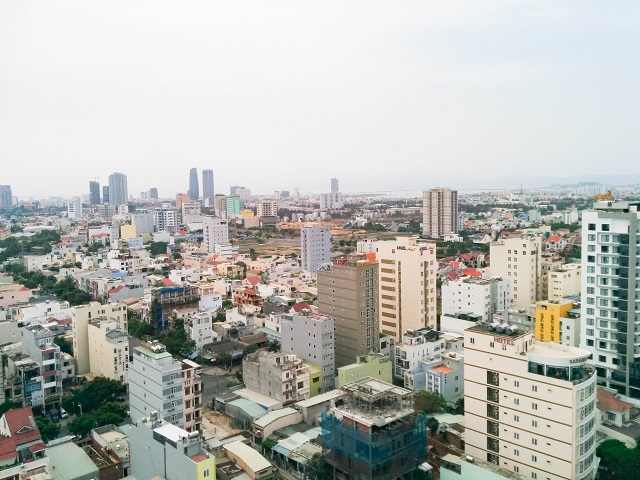
Residents of Da Nang, Vietnam’s third-largest city, face hot and humid weather, particularly in the summer. As the climate changes, summer heat waves could pose health risks to citizens in buildings without effective and efficient cooling technology. Because Da Nang’s population is growing rapidly along with its industry and tourism, electricity demand, related pollution and strain on the grid are also growing.
Da Nang’s government has prioritized building efficiency as part of its new Resilience Strategy to address public health risks from climate change. Local leaders are exploring creative ways to signal to property developers and building managers that efficiency is a public priority. The government is working to improve the availability of information on energy performance of large buildings like hotels. And it’s considering expediting permitting processes for new construction and renovations that include efficiency measures, as well as creating a demonstration project to improve efficiency in one or more hotels.
Creating Livable, Efficient Neighborhoods in Eskisehir, Turkey

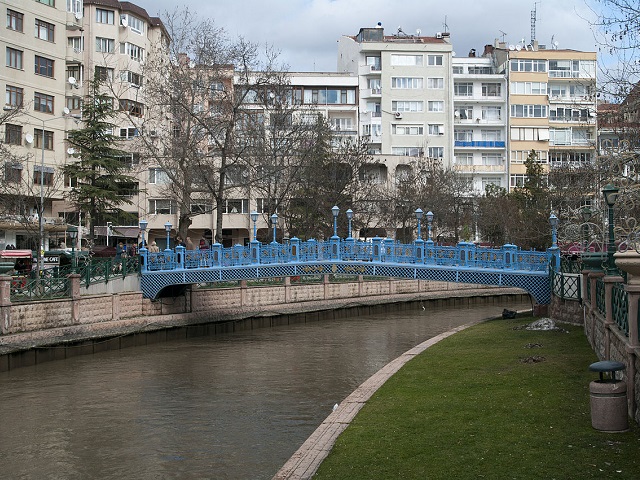
Home to Europe’s largest university, Eskisehir in Central Anatolia has a dynamic, knowledge-driven economy, and values creating livable spaces as it grows. Demand from Turkey’s national government for better energy performance has placed pressure on building owners to improve efficiency. The city wants to improve its buildings while also protecting the city’s character.
Eskisehir is currently pursuing multiple district redevelopment projects to improve construction quality and public spaces. The mayor and his team are finding ways to include building efficiency measures within the plan to lower energy use while reducing pollution and waste.
Eskisehir is also striving to expedite the effective implementation of Turkey’s national mandate for all large buildings to have energy performance certificates that rate the efficiency of their construction and equipment.
Reducing Energy Costs through Better Buildings in Belgrade, Serbia

In Belgrade, the capital of Serbia, a large stock of old, multifamily public housing provides homes to thousands of residents. Energy to heat 22 million square meters of homes and business, which cover roughly half the city, comes from a district heating system that pipes heat from central sources to individual buildings.
City leaders in Belgrade are now developing a building renovation plan to reduce wasted energy. Better building insulation would lower energy costs for residents and the utility company, while expanding efficient district heating to more of the city.
Leadership through Legislation and Implementation in Tshwane, South Africa
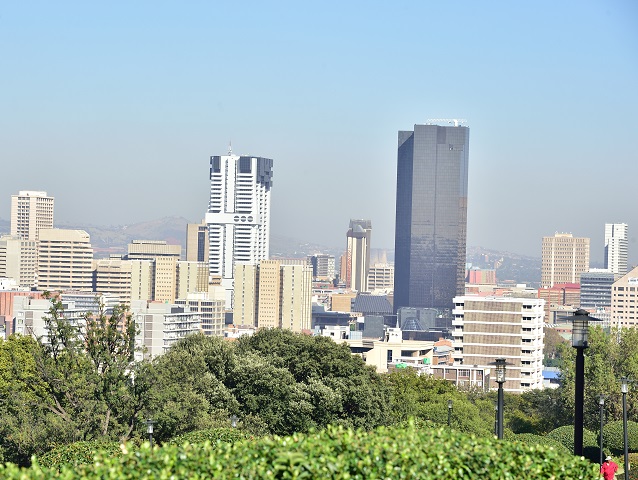
The City of Tshwane is home to Pretoria, the district which hosts the executive branch of South Africa’s national government. The drive to be a national leader is one motivation behind the city’s aim to make its buildings the country’s greenest.
In 2013, the city instituted a green buildings by-law, but now it must implement it. Like many cities, Tshwane faces limited financial resources, so its leaders are exploring how to achieve further efficiency gains through financing models and non-financial incentives for efficiency investments. To demonstrate public leadership by example, the city hopes to retrofit several municipal buildings.
Cities on the Frontline of Building Efficiency Action
All cities have a unique cultural and political context. Mayors, administrators and other urban leaders often face significant demands and limited resources to address multiple challenges, everything from housing growing populations to reducing utility costs and improving services. Building efficiency is a cost-effective solution that improves air quality, boosts productivity and provides better occupant comfort.
But cities can’t go it alone. Urban leaders require technical support, financial investments and policy alignment with their national governments. As the climate community gathers today, it’s time for local and national leaders to work together in pursuing more efficient buildings for everyone.

The post Improving Building Efficiency: A Tale of 4 Cities appeared first on Building Efficiency Accelerator.
]]>